Sometimes we carry a longing for something we do not quite know how to name.
To feel understood.
To know we belong.
To be loved without wondering when that love might feel far away again or disappear altogether.
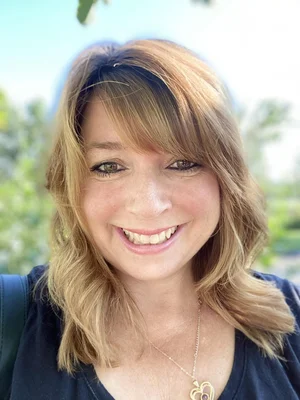
I know something about that longing. As a therapist, I have language for it now. As a little girl, I mostly knew how it felt. I want to share a little of my story alongside what I have learned about attachment and father wounds.
There is pain in this story, but there is also love, and there are relationships that have brought healing in ways I never expected.
The dad I knew
My stepdad came into my life when I was three. He was the only dad I knew growing up, and I loved him. He struggled with mental illness and addiction. Life with him could be unpredictable. He could be loving and kind, the fun parent. At other times, he could be angry, distant, and sometimes even cruel.
The good memories were real. So was the hurt. I can have compassion for what he struggled with and still recognize how much I needed steadiness from him. His mental illness was part of our family’s experience; it is not a description of every parent who lives with mental illness and addiction.
Looking back, I understand how that uncertainty contributed to anxious attachment for me. I also grew up not knowing my biological father. There was a part of me that did not feel I quite belonged in my own family or anywhere really. I had questions about where I came from that I could not yet answer.
Loved and still longing to be understood
My mom loved me. I knew that. We were close and I knew I could count on her for many things. She took care of my needs. She was strong and outspoken, with firm opinions and a way of taking charge. Her love was there, but it was not always soft. She carried her own father wounds and some bitterness. I was forgiving, empathetic, emotional, and “ too sensitive.” We loved each other, but I often felt she did not really understand me. I know that I did not understand her. Being cared for and feeling understood were not always the same experience. I will share more about mother wounds in another post. For now, I want to leave room for the tenderness of loving a parent while also acknowledging what was difficult in that relationship.
Knowing this as a mother too
I also raised a son with father wounds. His dad’s involvement was inconsistent, and by the time my son was seven, his dad was out of his life. There was more abandonment and more struggle. That is part of our family’s story, too. I have known this pain as a daughter and as a mother. A child can be deeply loved by the parent who is there and still hurt over the parent who is absent.
The truth I learned in 2018
In 2018, my stepdad died. Just two months later, my biological father found me on Ancestry.com.
I learned that the story I had been told about him was not true. My mother had made it up to hide her pregnancy outside of marriage from her very strict religious father. I had grown up believing something that was a lie.
That was a painful truth to learn about someone I loved. I could understand that my mother had been afraid of her father’s judgment, and I still had to make room for what her choice had meant in my life.
Then I met my biological father. He was kind and understanding. He cared about relationships. We had many things in common. I recognized myself in him. After so many years of not quite feeling that I belonged, that recognition mattered more than I had ever expected it would.
I had not thought I needed this. I thought knowing the truth might be enough, and I was grateful simply to meet him. But he wanted a relationship with me. He wanted to know me and stay in touch. Eight years later, he still does.
He was proud of who I had become, even though he had not had a hand in raising me. There was something deeply healing about being met with that kind of interest and care.
The love that helped me along the way
My friends and my faith have been important parts of my healing. Especially when I was younger, they helped me be more resilient. They were part of what helped me through, long before I had words for everything I was carrying. I want to honor that part of my story, too.
When my son was born, something in the part of me that had never felt it belonged began to heal. I belonged to that baby. Becoming his mother brought a sense of connection and belonging that was deeply meaningful to me. Being a mom also brought me purpose.
After love and heartbreak in my past, my relationship with my now husband helped heal the part of me that wanted to be accepted for who I am. Being loved as myself has touched so many wounded places of my soul. Being accepted as I am and seeing myself through his eyes helped me learn to love myself. That love has become another part of the healing that friends and faith had already helped make possible.
Meeting my biological father brought something different again. Learning where I came from, seeing his pride in me, and experiencing his continued desire to stay connected have healed parts of me I still cannot fully explain. And I am a therapist.
I believe relationships often help heal wounded parts of us. I know they have for me. Sometimes I can explain that through what I know professionally. Sometimes I can only tell you what it has meant to be loved, accepted, and wanted in these relationships.
What we mean when we talk about attachment
Attachment is the bond that draws us toward the people we turn to for comfort and care. We begin life needing others to keep us safe. A baby cries and needs someone to respond. A frightened child reaches for a familiar person. Through these everyday moments, we begin learning what it feels like to need someone and have them be there. [1, 6]
When care is dependable, a child has someone to return to while learning about the world. Over time, relationships help shape quiet expectations: Will someone come when I need help? Can I show my feelings? Will I be comforted, dismissed, or met with anger? A child may have different experiences with different caregivers. [1]
We do not outgrow the need for connection. As adults, we still turn toward people we trust when life is hard. Feeling secure includes being able to receive care and also have room to be ourselves. [2]
When love is there but something is missing
A parent can love a child and still have difficulty being consistently available. Their own pain, health concerns, financial worries, or lack of support may leave them with less to give than they wish they had. Parents need care and support, too. [3]
For a child, though, the reason for the distance may be hard to understand. They experience what happens: whether someone listens, whether comfort is available, and whether it feels safe to be upset. Repeated dismissal or unpredictable reactions can make closeness feel uncertain. [1]
This does not mean parents have to get every moment right. We all misunderstand, become tired, and miss things. Returning to a child, listening, apologizing, and changing what hurt them matter. There can be healing in those moments of coming back together.
We can understand what a parent was carrying without asking the child we once were to pretend it did not hurt. Compassion can include both of us.
The ways we learn to protect connection
You may have heard the words secure, anxious, avoidant, or fearful-avoidant attachment. They can offer language for patterns we notice, but they are not diagnoses or permanent descriptions of who we are.
With anxious attachment, someone may worry about being left or about whether another person will be available. With avoidant attachment, relying on someone or being emotionally close may feel uncomfortable. Some people feel both: longing for closeness and becoming afraid when it arrives. Greater security usually involves less of these fears. [2]
You might recognize parts of yourself in more than one description. That is a starting place for curiosity. You are more than an attachment label, and your childhood does not have to decide every relationship that comes after it.
How father wounds can show up in relationships
“Father wound” is a way of talking about pain connected to a father or father figure. It may involve absence, rejection, criticism, or care that was difficult to count on. It is not a diagnosis, and it can affect people of any gender. Being a biological parent does not, by itself, tell us what a relationship will feel like.
These tender places may become more noticeable when someone seems distant, plans change, or there is conflict. One person may reach for repeated reassurance. Another may pull away or keep their needs private. These can be different ways of responding when a relationship feels threatened. [2]
Perhaps the thought is, “They are quiet. Did I do something wrong?” Or, “I should not ask for more.” Or, “I need to fix this before they leave.” These are examples you might recognize, not proof of a particular childhood experience.
Some people notice how hard they work to earn approval or keep another person happy. Others have become very practiced at needing little from anyone. If something here feels familiar, you can begin by noticing it gently. You do not have to scold yourself for having learned a way to get through.
It is also worth looking at the relationship you are in now. Sometimes someone really is being unreliable or hurtful. Your feelings deserve attention, even when you have an attachment history. We can ask both, “Does this remind me of something old?” and “Am I being treated with care today?”
When father wounds reach into faith
For some of us, the word “Father” carries feelings into our faith, too. When we hear it used for God or as a title for a priest, it may bring comfort, longing, fear, or a mixture of these. Hurt can also begin within the church, when a trusted spiritual leader responds with shame, control, rejection, or abuse. A place where we hoped to belong can become a place where trust is broken.
Faith has been part of my own healing. I also want to make room for those who have been hurt in religious spaces. Spiritual comfort and spiritual pain can exist in the same story. [9]
You can honor what has sustained you and still name what harmed you. There is room for your questions, your boundaries, and your own pace.
A gentle clarification about attachment disorders
The words “attachment disorder” can sound frightening, especially if you recognize yourself in a description of anxious attachment. These are different things. Having difficulty trusting or fearing abandonment does not mean you have a clinical attachment disorder. [4]
Reactive Attachment Disorder, or RAD, describes a pattern in which a young child rarely seeks or accepts comfort from caregivers when upset. Disinhibited Social Engagement Disorder, or DSED, involves unusual familiarity with unfamiliar adults, such as readily going with someone the child does not know. [4]
These conditions begin in early childhood and are associated with histories of severely insufficient care. They need a careful professional assessment. Treatment involves dependable caregiving and support for the child and caregivers together. They are not diagnoses we can apply to an adult simply because relationships feel difficult. [4]
You do not need a particular diagnosis for your story to matter or for support to be worthwhile. The purpose of learning this language is to understand yourself with more kindness.
What this work can look like at Heart of Grace
When we work together, there is room to talk about what happened, what you needed, and what still feels tender. You do not have to arrive with a perfectly organized story. We can begin with what you are noticing in your life now.
In my work with PTSD and trauma, I primarily use EMDR, Lifespan Integration, and Brainspotting. For attachment work, Lifespan Integration is my preferred approach. We talk together about what each approach involves and what may fit your needs. EMDR has a substantial research base for PTSD; research on Lifespan Integration and Brainspotting is still developing. Those differences are part of choosing care thoughtfully. [5, 7, 8]
Alongside processing painful experiences, we may practice noticing when fear rises, checking what is happening in the present, and finding words for a need or a boundary. A request might be, “If we take a break from this conversation, can we agree on when we will come back to it?” A boundary might be, “I want to talk, and I need us to do that without name-calling.”
Our relationship in therapy matters, too. There is room to say that something did not feel right, to ask a question, or to disagree. We can talk about those moments together. Learning to feel more secure can include having a voice in the care you receive.
There may also be grief for the relationship you wished you had. We can make room for that without requiring forgiveness, reconciliation, or contact that feels unsafe.
If you would like a small place to begin, you might ask: What am I afraid will happen when I need someone? Who has shown me they can be dependable? What would it feel like to let my needs matter here?
You can take your time with those questions.
There is room for healing
My story holds love and hurt together. I loved my stepdad. I knew my mother loved me. I also needed things I did not always receive, and I lived with a story about my biological father that was not true. I can acknowledge those things without making them the whole of my life.
My faith and friendships helped sustain me in my younger years. Becoming a mother brought belonging and purpose. My husband has given me the experience of being accepted just as I am. The father I met in 2018 continues to want a place in my life and that brings me great joy. Each has been part of my healing in a different way.
Your story will have its own shape. There is room to honor what helped you through and to care for what still hurts. You deserve to be met with kindness in both places.
In a future post, I will share more about mother wounds, including the longing to feel understood and gently held, even when we knew we were loved.
Sources and further reading
For readers who would like to explore the educational material further. The personal reflections in this post describe my own experience.
[1] National Child Traumatic Stress Network. Effects of complex trauma. This resource concerns complex trauma; not every attachment difficulty involves complex trauma.
https://www.nctsn.org/what-is-child-trauma/trauma-types/complex-trauma/effects
[2] Simpson JA and Rholes WS. Adult attachment, stress, and romantic relationships. Current Opinion in Psychology, 2017.
https://pmc.ncbi.nlm.nih.gov/articles/PMC4845754/
[3] Harvard Center on the Developing Child. Serve and Return.
https://developingchild.harvard.edu/key-concept/serve-and-return/
[4] American Academy of Child and Adolescent Psychiatry. Attachment Disorders.
https://aacap.org/AACAP/AACAP/Families_and_Youth/Facts_for_Families/FFF-Guide/Attachment-Disorders-085.aspx
[5] VA National Center for PTSD. Overview of Psychotherapy for PTSD.
https://www.ptsd.va.gov/professional/treat/txessentials/overview_therapy.asp
[6] American Academy of Pediatrics. Trauma-Informed Care. Pediatrics, 2021.
https://publications.aap.org/pediatrics/article/148/2/e2021052580/179745/Trauma-Informed-Care
[7] Rensch and colleagues. Lifespan Integration Therapy with Trauma-Exposed Children. A single-case study, 2021.
https://pmc.ncbi.nlm.nih.gov/articles/PMC8357884/
[8] VA National Center for PTSD. Clinician’s Trauma Update Online, August 2024. Discussion of preliminary Brainspotting research and its limitations.
https://www.ptsd.va.gov/publications/ctu_docs/ctu_v18n4.pdf
[9] VA National Center for PTSD. Addressing Religious or Spiritual Dimensions of Trauma and PTSD.
https://www.ptsd.va.gov/professional/treat/txessentials/spirituality_trauma.asp